
Seven-on-seven football has become an important part of offseason development for youth, high school, and adult athletes. With fast-paced passing plays, quick route changes, and multiple games often scheduled throughout a tournament day, players need equipment that supports movement without creating unnecessary distractions.
Although 7v7 football does not involve traditional tackling, it is still a competitive sport involving speed, close player interactions, and occasional accidental contact. Preparing for the season therefore means thinking carefully about protective equipment, comfort, and consistency.
Understanding the Demands of 7v7 Football
Unlike traditional tackle football, 7v7 focuses primarily on passing, receiving, defensive coverage, and movement across the field. Players frequently accelerate, change direction, jump for catches, and compete for positioning.
These movements create different equipment requirements. Athletes generally want lightweight gear that allows them to maintain their speed and field awareness.
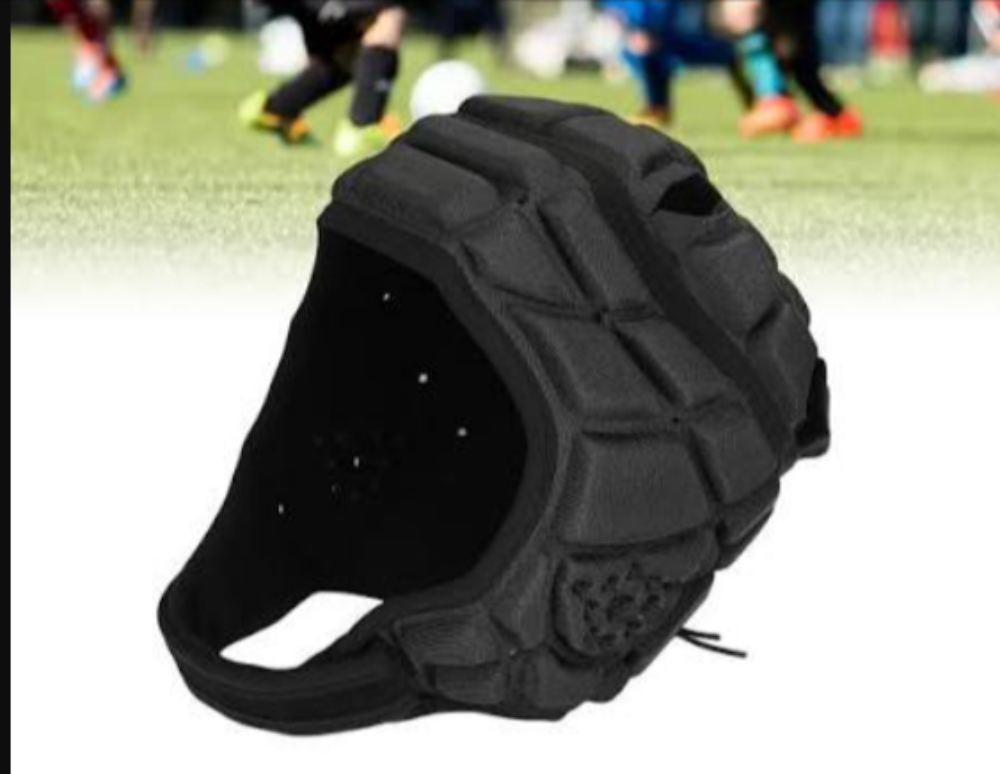
Soft-shell headgear is designed to provide padded head coverage without the rigid construction of a traditional football helmet. It is commonly used in 7v7 programs as an additional protective measure against incidental contact and impacts.
However, soft-shell headgear should not be considered a replacement for certified hard-shell helmets during tackle football.
Fit Should Be a Priority Before the First Game
One of the most important steps in preparing for a season is selecting the correct headgear size.
Equipment that is too loose may shift during running and quick directional changes. An excessively tight fit can create discomfort, especially during extended practices or tournament schedules.
Players should measure their head circumference and compare it with the manufacturer’s sizing guide before ordering. Adjustable retention systems can provide additional flexibility, but they do not eliminate the need to choose the correct base size.
GameBreaker’s Multi-Sport Soft Shell Headgear features a lace-up rear adjustment system and a hook-and-loop chin strap. Its design also includes full head coverage and unrestricted peripheral vision.
Athletes should test the fit during movement before relying on the equipment for competition.
Comfort Matters During Long Tournament Days
A single 7v7 tournament can involve several matches, warm-ups, breaks, and extended periods outdoors. Equipment that feels comfortable during a short practice may become distracting over a longer day.
Ventilation is therefore an important consideration.
A cushioned interior liner with airflow features can help manage heat buildup, while lightweight construction makes equipment easier to wear during repeated drills and games.
GameBreaker’s soft-shell headgear range includes ventilated comfort liners designed to improve wearability during athletic activity.
Players should also consider how their headgear works alongside other equipment, including mouthguards, jerseys, and other practice accessories.
Understanding Different Levels of Soft-Shell Headgear
Not every athlete has identical equipment requirements.
Younger players and athletes participating in less intense recreational programs may have different needs from older players competing in highly competitive 7v7 tournaments.
GameBreaker offers its Multi-Sport and GameBreaker-PRO headgear options. The PRO model incorporates D3O impact-protection technology and has received a five-star rating in independent Virginia Tech Helmet Lab testing.
When comparing models, athletes and parents should review the published testing information, intended use, fit, and league requirements rather than assuming that all padded headgear offers identical performance.
No helmet or headgear can eliminate the risk of concussion or prevent every head injury.
Team Identity Is Part of Tournament Preparation
For coaches and program organizers, equipment planning involves more than individual purchases.
Teams often want a consistent appearance across their roster, particularly when participating in tournaments with multiple clubs and schools. Coordinated colors and logos can help create a recognizable team identity.
GameBreaker’s collection includes customizable headgear options with different color choices and logo placements. Teams can use these features to coordinate protective equipment with their existing uniforms and branding.
Ordering equipment early also gives programs time to confirm sizes, finalize designs, and resolve any fitting issues before competition begins.
Cleaning and Maintaining Headgear
Protective equipment needs regular care, especially when athletes train several times a week.
Sweat, dirt, and outdoor conditions can affect the freshness of headgear over time. Players should follow the manufacturer’s cleaning instructions instead of using harsh chemicals or excessive heat.
GameBreaker specifies that its soft-shell headgear is machine washable, with air drying recommended. The company also advises fastening the chin strap before washing and avoiding machine drying.
Teams can make maintenance easier by assigning individual equipment to each athlete and establishing a regular cleaning routine.
Headgear should also be inspected periodically for damaged seams, worn straps, changes in fit, or other signs that it may need attention or replacement.
Conclusion
A successful 7v7 season depends on preparation, practice, communication, and appropriate equipment. Coaches need to establish consistent gear expectations, while athletes should understand how to select, fit, and maintain the equipment they wear.
For players and programs comparing soft-shell 7v7 football helmets, GameBreaker’s collection offers Multi-Sport and PRO headgear options alongside other football accessories and team equipment.
The best preparation starts before the opening whistle. Choosing properly fitted headgear, understanding its intended use, and maintaining it throughout the season can help athletes approach every practice and tournament with greater confidence.
About The Author
