
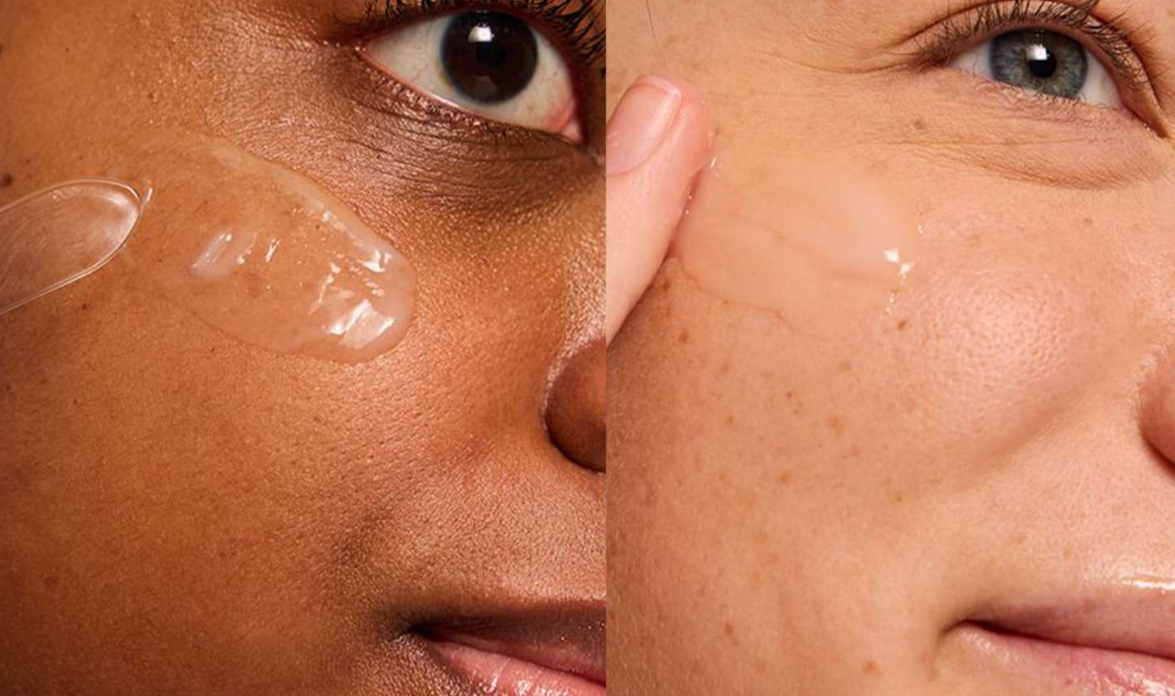
Fine lines show up quietly. One morning there’s a faint crease by the eyes, or a few thin ones across the forehead, and they look worse when skin feels tight. A lot of people grab a heavier cream and hope. Some get lucky. Most just end up with a drawer full of jars.
Picking a facial moisturizer for fine lines gets easier once you know what these products can and can’t do. They aren’t magic. They do have one real trick, and it’s worth understanding.
Understanding fine lines
Fine lines are superficial lines on the skin. They can occur due to movement, UV exposure and a decrease in collagen and moisture in the skin over time. If you have deep lines, a moisturiser will be less effective.
Dry skin will make fine lines more visible. Imagine a grape and a raisin. Although the same fruit, the difference in moisture makes the grape look much smoother.
How they help
Adding moisture to the outer layer of skin will give your skin volume and reduce the appearance of fine lines. This effect may be seen within one or two days.
However, this effect is temporary. If you stop using a moisturiser, fine lines will return. However, this is fine as it does not imply that fine lines will be permanently reduced.
Key ingredients
Many good moisturisers will have a combination of the following ingredients: ● Humectants (glycerine, hyaluronic acid): increase moisture in skin
- Emollients (ceramide, fatty acids): smooth and soften skin
- Occlusive (petrolatum, dimethicone): lock in moisture.
If a moisturiser contains all of these ingredients, it will generally be more effective. If a moisturiser contains only hyaluronic acid, for example, in very dry air, it may actually cause dryness as it will not be locked in.
Additional ingredients
Some moisturisers may also include retinol, peptides and/or vitamin C. Retinoids (a type of Vitamin A) have the best evidence to reduce fine lines. However, they may initially be irritating and cause dryness. Peptides are very popular, but have less evidence. If a moisturiser containing these ingredients is listed low on the ingredients list, it is likely to contain little amounts of it.
If you are pregnant or planning to be, consult a doctor first.
AM/PM differences
AM
To protect. If your moisturiser contains SPF 30 or above, it is useful as most visible signs of ageing are caused by sun exposure. If it does not include SPF, apply a moisturiser over the top of your sunscreen.
PM
To heal and soothe. Thicker textures may be preferred in the evening, as you will not be adding make-up or sunscreen over the top.
Application
Apply to slightly damp skin. Applying immediately after cleansing can be ideal. As skin is still slightly damp, it can absorb more moisture.
Enough! Do not be stingy with the amount. Also, apply to the neck and round the eye area, as this is where fine lines are likely to appear.
Labelling
Words like ‘clinically proven’ and ‘dermatologist tested’ are very impressive, but may not mean much. Try to find out who performed the trial, and how many people took part. If this information is not given, be sceptical.
Price does not indicate effectiveness. Many cheap moisturisers will have the same basic ingredients as expensive moisturisers.
When to see a professional
If a rash isn’t clearing, if everything is causing a burning sensation, or if you have a changing mole then see a dermatologist. Moisturisers are not diagnostic. Apply a good moisturiser daily and apply sunscreen. Anything beyond this is extra!
About The Author
