
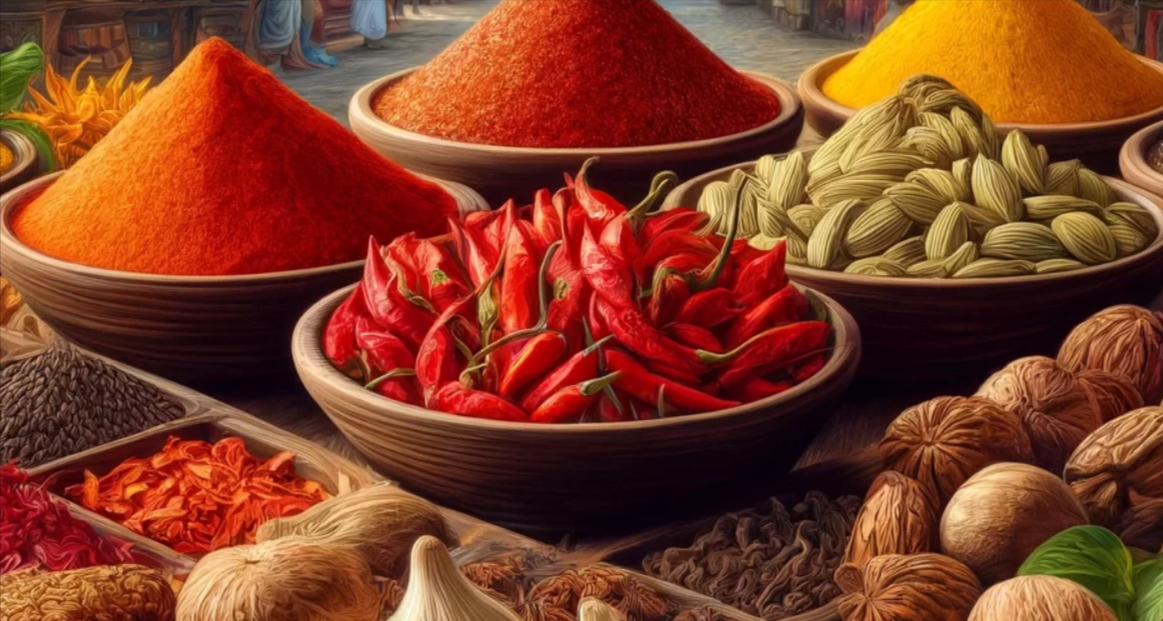
Indian cooking builds flavour patiently, and garam masala is one of those essentials that cannot be skipped. It helps to add warmth and smooth the edges without taking it in a new direction. The blend works quietly across pulao, chicken curries, dals, and sabzis, leaving food tasting fuller, balanced, and properly finished. Garam masala has aromatic and earthy notes that create a depth that boosts the taste of various recipes to a whole new level.
What Makes Garam Masala Unique
At its core, garam masala is a blend of warming spices such as cloves, cinnamon, cardamom, cumin, and black pepper. The exact combination varies across regions and households, but the purpose remains the same: to add warmth rather than heat. The word “garam” refers to warmth, meaning spices that gently stimulate digestion and circulation rather than make a dish spicy. This is why garam masala feels soothing and aromatic instead of sharp or fiery. It does not overpower other ingredients.
How Garam Masala Builds Depth in Cooking
Most Indian recipes start with whole spices or base masalas cooked in oil. Garam masala is usually added towards the end, when the dish is almost ready. At this stage, the spices release their aroma without losing their delicate notes.
A small pinch can transform a curry, giving it a fuller mouthfeel and a lingering warmth that stays even after the last bite. This finishing touch is what separates a good dish from one that feels complete.
Many Indian dishes rely on garam masala to feel complete. In creamy gravies like butter chicken or paneer masala, it adds warmth without weighing the dish down. A pinch at the end lifts simple dals. Dry sabzis turn more aromatic, and rice dishes like pulao and biryani use it lightly to bring everything together.
Whole vs Ground Garam Masala
Some recipes call for whole garam masala spices during cooking, while others rely on ground garam masala powder. Whole spices build a base flavour, slowly infusing oil or ghee. Ground garam masala, on the other hand, delivers immediate aroma and warmth.
Using both in the same dish is common. Whole spices create structure, and the powdered blend adds finesse. This balance ensures the dish feels layered rather than flat.
Conclusion
Garam masala may not always be visible, but its presence is felt in every balanced bite. By enhancing flavours, adding gentle warmth, and bringing harmony to ingredients, it plays a vital role in classic Indian cooking. Used thoughtfully, it turns everyday recipes into dishes that feel complete, comforting, and deeply satisfying. Try Sunrise Spices Pure Garam Masala to bring the same balance and warmth into your everyday cooking, made from carefully selected spices that stay true to traditional flavours.
FAQs
- What are the five spices of garam masala?
Most blends include cumin, coriander, black pepper, cloves, and cinnamon. However, these may vary from one region to another. - What is garam masala made up of?
It is made from warming whole spices, roasted and ground in different proportions depending on regional styles. - How much garam masala to use?
A small pinch or half of a teaspoon is usually enough, added towards the end of cooking.
About The Author
